

How Small Bottle Packaging Supports Product Protection, Branding and Retail Success
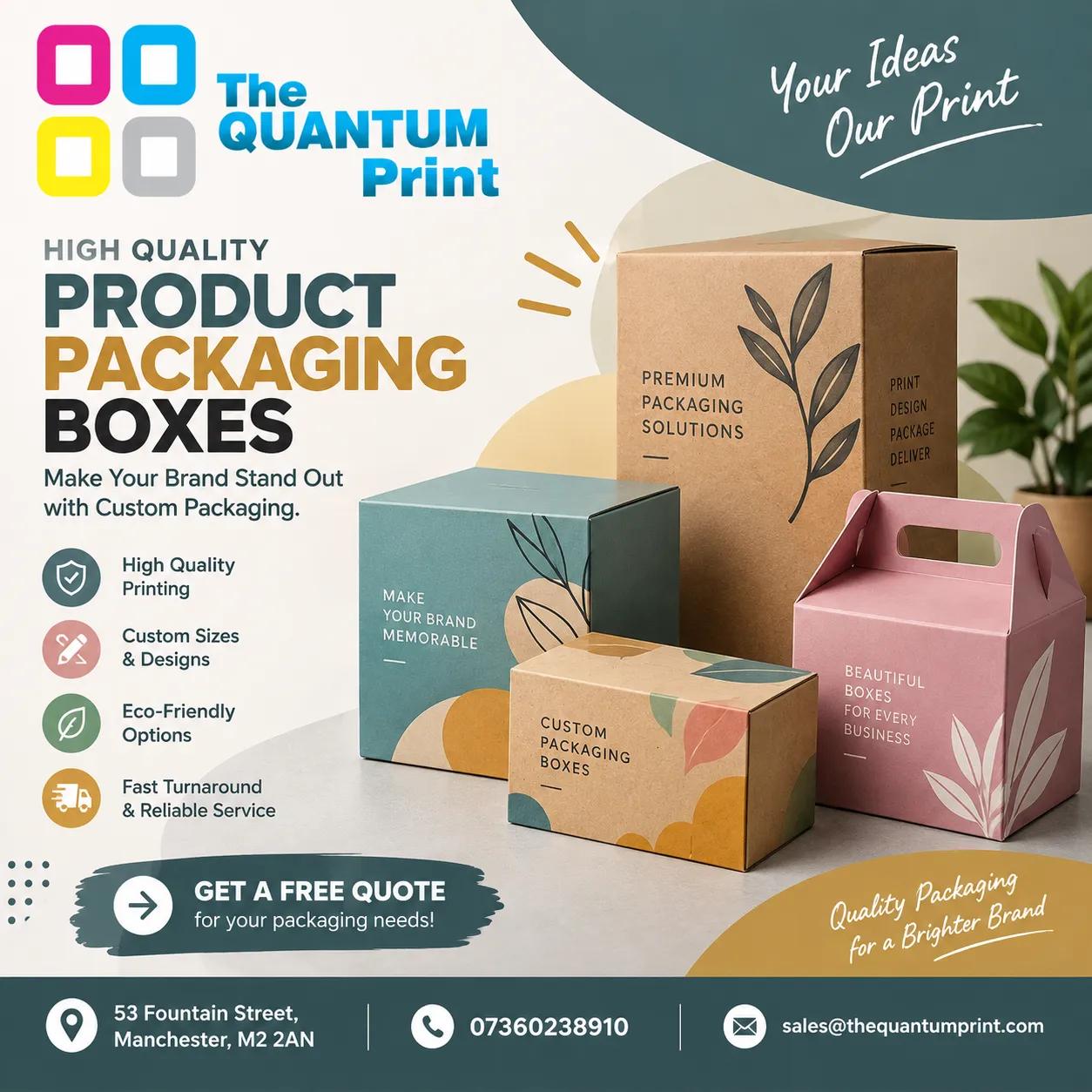
Small bottles are widely used across the cosmetics, skincare, essential oil, fragrance and healthcare industries. Although these containers hold relatively small quantities, their packaging plays an important role in protecting the contents, communicating product information and creating a professional presentation.
Well-designed product packaging boxes can help businesses address practical shipping challenges while improving the customer experience across retail and e-commerce channels.
As demand for compact products continues to grow in the United Kingdom, brands must consider more than appearance when selecting packaging. Dimensions, material strength, labelling requirements and sustainability all influence how effectively a small bottle reaches its destination.
Why Packaging Matters for Small Bottles
Small bottles can be surprisingly challenging to package. Glass containers may break during transportation, while lightweight plastic bottles can become scratched or damaged if they move excessively inside a shipping carton. Poorly fitted packaging can also affect presentation, particularly when products are sold as gifts or premium skincare items.

A properly designed box provides several benefits:
Physical protection: Suitable board and internal supports help reduce the risk of breakage and movement.
Product identification: Printed labels and exterior panels communicate essential product details.
Retail presentation: Consistent colours, typography and layouts contribute to a recognisable brand identity.
Shipping efficiency: Compact dimensions can reduce unnecessary packaging material and improve storage.
Customer confidence: Neat, secure packaging creates a more organised and professional unboxing experience.
For businesses operating in competitive markets, packaging should therefore be treated as part of the overall product experience rather than simply an outer covering.
Choosing the Right Packaging for 10ml and 30ml Bottles
Selecting an appropriate box begins with understanding the bottle’s dimensions, shape, weight and intended use. A box designed for one container may not provide the same level of protection for another, even when their capacities are similar.
A 10ml bottle box is commonly used for essential oils, fragrance samples, concentrated skincare products and other small-format liquids. Because these containers have limited surface area, the packaging must balance compact dimensions with sufficient room for branding, product information and any necessary protective inserts.
Meanwhile, 30 ml bottle boxes are frequently used for facial serums, cosmetic oils, liquid supplements and travel-sized beauty products. These boxes may need additional structural support, especially when the container is made from glass or includes a heavier dropper or spray cap.

Before finalising a packaging design, businesses should consider:
Internal dimensions: Measure the bottle’s height, width or diameter, including the cap and dropper.
Material thickness: Choose board strong enough for the product’s weight and distribution conditions.
Insert requirements: Use suitable inserts where necessary to prevent the container from moving.
Closure design: Ensure the box remains securely closed during handling and transport.
Printing space: Reserve enough room for branding, instructions and mandatory information where applicable.
A physical packaging sample should be tested with the actual bottle before a large production run. This simple step can reveal fitting problems and reduce avoidable waste.
Packaging Trends in the UK Market
The UK packaging market continues to place importance on sustainability, efficient fulfilment and clear product communication. Businesses are increasingly evaluating packaging materials according to their protective performance, recyclability and compatibility with existing waste-management systems.
Paperboard cartons are a practical option for many small-bottle applications because they can be printed with detailed graphics and produced in a range of sizes. However, the environmental impact of packaging depends on several factors, including material sourcing, coatings, adhesives, inks and local recycling facilities.
Three developments are particularly relevant to small-product businesses.
1. More considered material selection
Brands are reviewing unnecessary layers, oversized cartons and difficult-to-separate components. Right-sizing packaging can help reduce material consumption without compromising protection.
2. Clear and functional design
Minimalist layouts, readable typography and organised product information can make packaging easier to understand. This is particularly valuable for skincare and personal-care products with specific usage instructions.
3. E-commerce-ready packaging
Products sold online may pass through several handling stages before reaching customers. Packaging therefore needs to withstand routine distribution pressures, including vibration, stacking and movement inside shipping cartons.

Businesses researching product packaging UK options should assess both presentation and practical performance. A visually appealing box is only effective when it also protects the product and suits the distribution process.
Common Packaging Challenges and How to Solve Them
Small-product packaging presents several recurring challenges, but careful planning can prevent many of them.
Bottle movement inside the box: Excess internal space allows the container to shift during transit. Accurate measurements and appropriately designed inserts can improve stability.
Damage during delivery: Thin materials or unsuitable shipping arrangements can increase the risk of breakage. Test the complete shipping configuration, including the outer carton and protective filling, rather than evaluating the product box alone.
Limited space for information: Small packaging surfaces make it difficult to fit branding and product details. Prioritise a clear information hierarchy, use legible type sizes and place supplementary information on other appropriate panels or labels.
Inconsistent packaging quality: Differences in dimensions, colour reproduction or folding can affect presentation across product batches. Approved artwork, production specifications and sample checks help maintain consistency.
Unclear recycling instructions: Customers may struggle to identify how different packaging components should be disposed of. Where appropriate, provide accurate disposal guidance based on the materials used and relevant local requirements.
Businesses should also verify applicable product labelling and safety obligations. Requirements differ depending on whether a bottle contains cosmetics, essential oils, healthcare products or another type of substance.
How Businesses Can Plan Better Packaging
A reliable packaging process starts before artwork is prepared. Product teams should identify the intended customer, sales channel, container specifications and expected distribution conditions.
A practical checklist includes:
Confirm the exact bottle dimensions and closure type.
Decide whether the product needs an insert or additional protection.
Select suitable materials based on strength, appearance and end-of-life considerations.
Prepare clear artwork with consistent branding and readable text.
Review applicable labelling requirements for the product category.
Test samples through realistic packing, handling and delivery conditions.
Assess production consistency before committing to larger quantities.
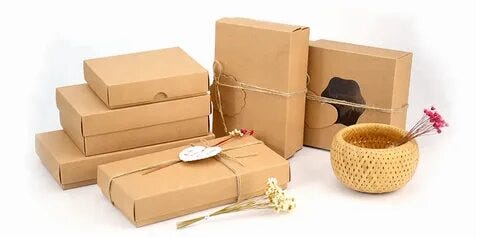
Businesses can also review specialist packaging providers when comparing available formats and customisation options. For example, The Quantum Print provides information about small-bottle packaging through its 10ml bottle box packaging page, which can serve as a starting point for understanding packaging formats designed for compact containers.

Final Takeaway
Effective small-bottle packaging combines protection, functionality, presentation and responsible material selection. Whether a business needs a compact carton for a 10ml essential oil or a more substantial box for a 30ml serum, accurate measurements and practical testing should guide the design process.
The most suitable packaging solution is not necessarily the largest or most elaborate. It is the one that fits the container securely, communicates important information clearly, supports efficient distribution and aligns with customer expectations. By treating packaging as an essential part of product development, UK businesses can reduce avoidable damage, improve consistency and create a more dependable experience for customers.
Contact Us : https://www.thequantumprint.com/contact-us/
About Us : https://www.thequantumprint.com/about-us/
Website Link : https://www.thequantumprint.com/