

Wet Timing Belt Replacement: Understanding Costs, Maintenance and Engine Protection
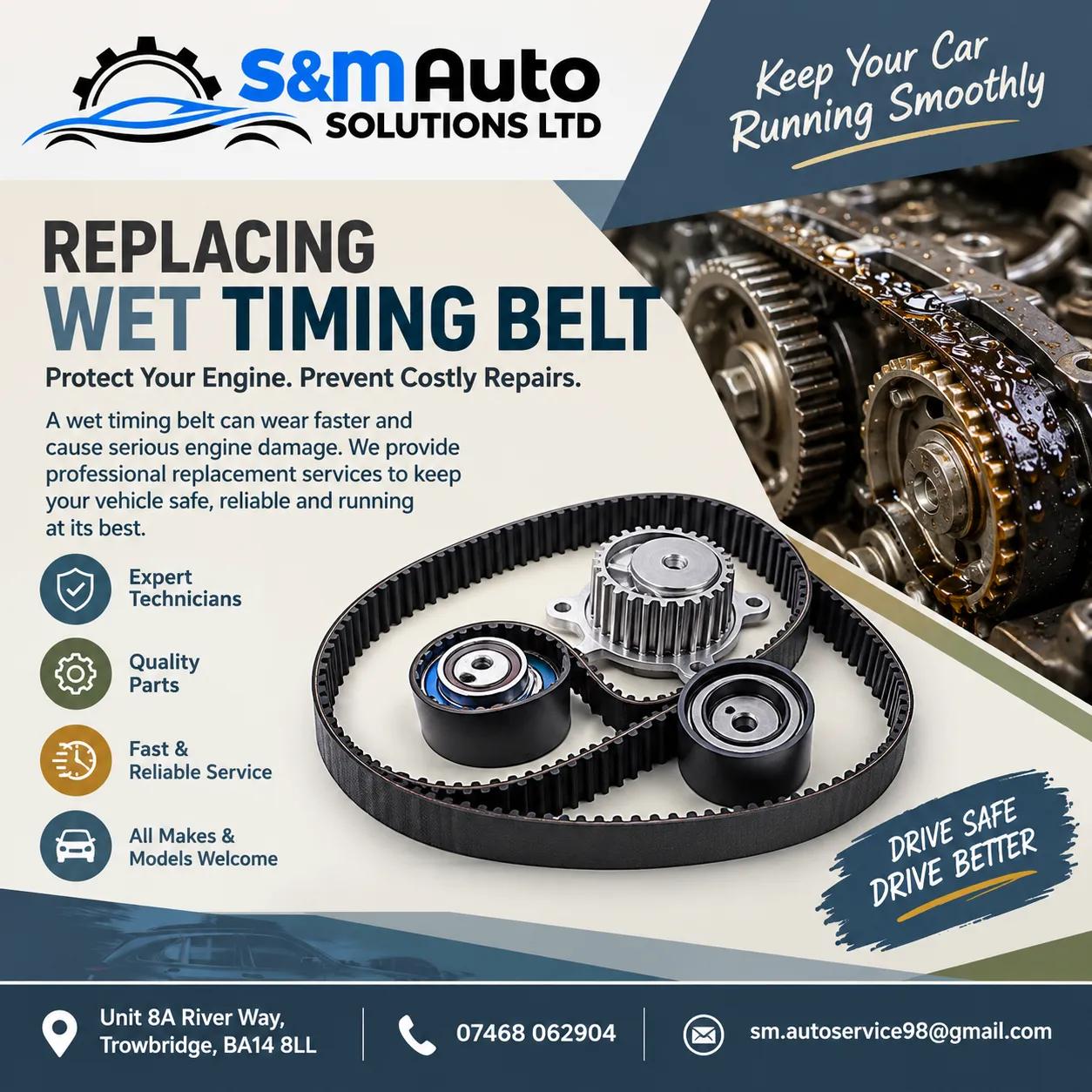
Modern vehicle engines are designed to deliver efficiency, performance and reliability, but some components require careful maintenance to prevent expensive mechanical problems. One example is the wet timing belt, a component used in certain engines that operates within the engine oil system. Understanding its purpose, warning signs and replacement requirements can help drivers make informed decisions about vehicle maintenance.
The wet timing belt replacement cost depends on several factors, including the vehicle model, engine design, labour requirements and whether additional components need replacing. Knowing what influences the overall expense can help motorists plan maintenance, compare repair estimates and reduce the risk of unexpected engine damage.
What Is a Wet Timing Belt and Why Does It Matter?
A timing belt synchronises the rotation of the crankshaft and camshaft, ensuring that the engine’s valves operate at the correct time in relation to the pistons. Unlike a conventional dry timing belt, a wet timing belt operates in engine oil.
This design can reduce friction and mechanical noise while supporting fuel efficiency. However, the belt must remain compatible with the engine oil throughout its service life. Incorrect oil specifications, contaminated oil or extended servicing intervals may contribute to premature deterioration in some applications.

As a wet timing belt ages, its material can degrade. Depending on the engine design, deteriorating belt material may contaminate the oil and obstruct the oil pickup strainer or other parts of the lubrication system. Reduced oil flow can affect critical engine components and potentially lead to serious mechanical damage.
For this reason, following the manufacturer’s maintenance schedule is essential. Drivers should also confirm whether their particular engine uses a wet timing belt, as maintenance requirements vary between manufacturers and engine versions.
What Influences Wet Timing Belt Replacement Cost?
The overall wet timing belt replacement cost is not the same for every vehicle. Several practical considerations determine the final repair estimate.
1. Vehicle make and engine design
Some engines provide easier access to the timing belt, while others require substantial dismantling before the component can be reached. Vehicle-specific engineering can therefore influence the time required to complete the repair.
2. Labour requirements
Replacing a wet timing belt can involve draining engine oil, removing surrounding components, accessing the belt assembly and carefully following the manufacturer’s installation procedures. Labour charges depend on the complexity of the work and the workshop’s hourly rate.
3. Replacement parts and associated components
A repair estimate may include more than the belt itself. Depending on the engine and its condition, additional items such as seals, tensioners, filters or other service components may be required. The appropriate replacement parts should be determined by the manufacturer’s procedures and the findings of an inspection.
4. Oil system cleaning and servicing
If the old belt has deteriorated, the mechanic may need to inspect the lubrication system for debris. Additional cleaning or remedial work can increase the total expense, particularly if contamination has already affected oil flow.
When comparing estimates, motorists should check whether parts, labour, engine oil, filters and any necessary cleaning work are included. A clear, itemised quotation makes it easier to understand the actual scope of the repair.
When Should a Wet Timing Belt Be Replaced?
The correct replacement interval depends on the vehicle’s manufacturer, engine specification, age and mileage. Some manufacturers specify both a mileage limit and a time limit, meaning a vehicle may require replacement even if it has covered relatively few miles.

Drivers should consult the vehicle handbook or an authorised technical maintenance schedule rather than relying on a universal interval.
Warning signs that may justify professional inspection include:
Unusual engine noises or changes in engine performance.
An oil pressure warning light or evidence of lubrication problems.
Visible belt deterioration identified during an appropriate inspection.
A history of incorrect engine oil or missed oil changes.
Uncertainty about the belt’s age or previous replacement.
These symptoms do not automatically confirm that the wet timing belt is failing. Oil pressure warnings, in particular, can indicate urgent problems unrelated to the belt. Drivers should stop the engine safely when instructed by the vehicle warning system and seek professional advice rather than continuing to drive.
Best Practices for Preventing Premature Belt Wear
Preventive maintenance is often more manageable than dealing with major engine repairs. Although no maintenance routine can eliminate every mechanical risk, several measures can help protect a wet timing belt.
Use the correct engine oil. Always follow the exact oil specification recommended for the vehicle. Viscosity alone is not enough; manufacturer approvals and compatibility requirements also matter.
Maintain regular oil changes. Follow the recommended service intervals and use suitable replacement filters. Shortening intervals may be appropriate in some circumstances, but the correct schedule depends on the engine and driving conditions.
Keep accurate service records. Invoices and maintenance records help establish whether the vehicle has received the correct oil and whether previous belt work has been completed.
Arrange inspections when necessary. If the vehicle has an unknown service history, high mileage or possible belt-related symptoms, a qualified mechanic can assess the maintenance requirements and identify any related concerns.
Avoid delaying scheduled replacement. A belt that has exceeded its specified service interval may present a greater risk of failure. Replacing it according to the manufacturer’s guidance can help prevent avoidable damage.
Finding Reliable Advice on Wet Timing Belt Replacement
When researching wet timing belt replacement Trowbridge, vehicle owners should prioritise accurate diagnosis, transparent estimates and work carried out according to the relevant manufacturer’s procedures. Local servicing options can help drivers understand the condition of their engine and the maintenance required for their particular vehicle.
S&M Auto Service provides information about wet timing belt replacement and related repair considerations on its website. Its guide at wet timing belt replacement cost in Trowbridge offers a relevant starting point for motorists researching the subject.

Before authorising work, ask the garage to explain the recommended replacement interval, the parts included in the quotation, whether lubrication-system inspection is necessary and what warranty applies to the repair. These questions help establish a clearer understanding of both the immediate work and any potential additional costs.
Conclusion
Replacing wet timing belt components at the appropriate interval is an important part of maintaining certain modern engines. The total expense depends on vehicle design, labour, replacement parts and the condition of the surrounding lubrication system.
By using the correct engine oil, maintaining service records and following manufacturer recommendations, drivers can reduce avoidable wear and make better-informed maintenance decisions. Most importantly, understanding the reasons behind a replacement helps motorists focus not simply on the initial repair cost, but on protecting long-term engine reliability and avoiding potentially more expensive damage.
Contact Us :https://www.smautoservice.co.uk/contact-us/
About Us : https://www.smautoservice.co.uk/about-us/
Social Media :